Winter Home Protection Your Mid-Year Home Maintenance Checklist
Looking after your home isn't just about fixing problems when they appear.
Winter is an ideal time to work through those maintenance jobs that are easy to put off—from checking smoke alarms and clearing gutters to making sure your home is protected from common household pests.
This simple checklist can help you prepare your property for the cooler months.
Around the home
- Test smoke alarms.
- Clean gutters and downpipes.
- Check for leaking taps and plumbing.
- Remove leaf litter.
- Trim vegetation away from walls and rooflines.
- Store firewood away from the house.
- Seal gaps around doors, windows and service penetrations.
- Keep your annual general pest treatment up to date.
These simple jobs can help reduce the conditions that attract common household pests while protecting your property through winter.
Why General Pest Activity Can Increase During Winter
Cooler weather changes the behaviour of many household pests.
Rodents
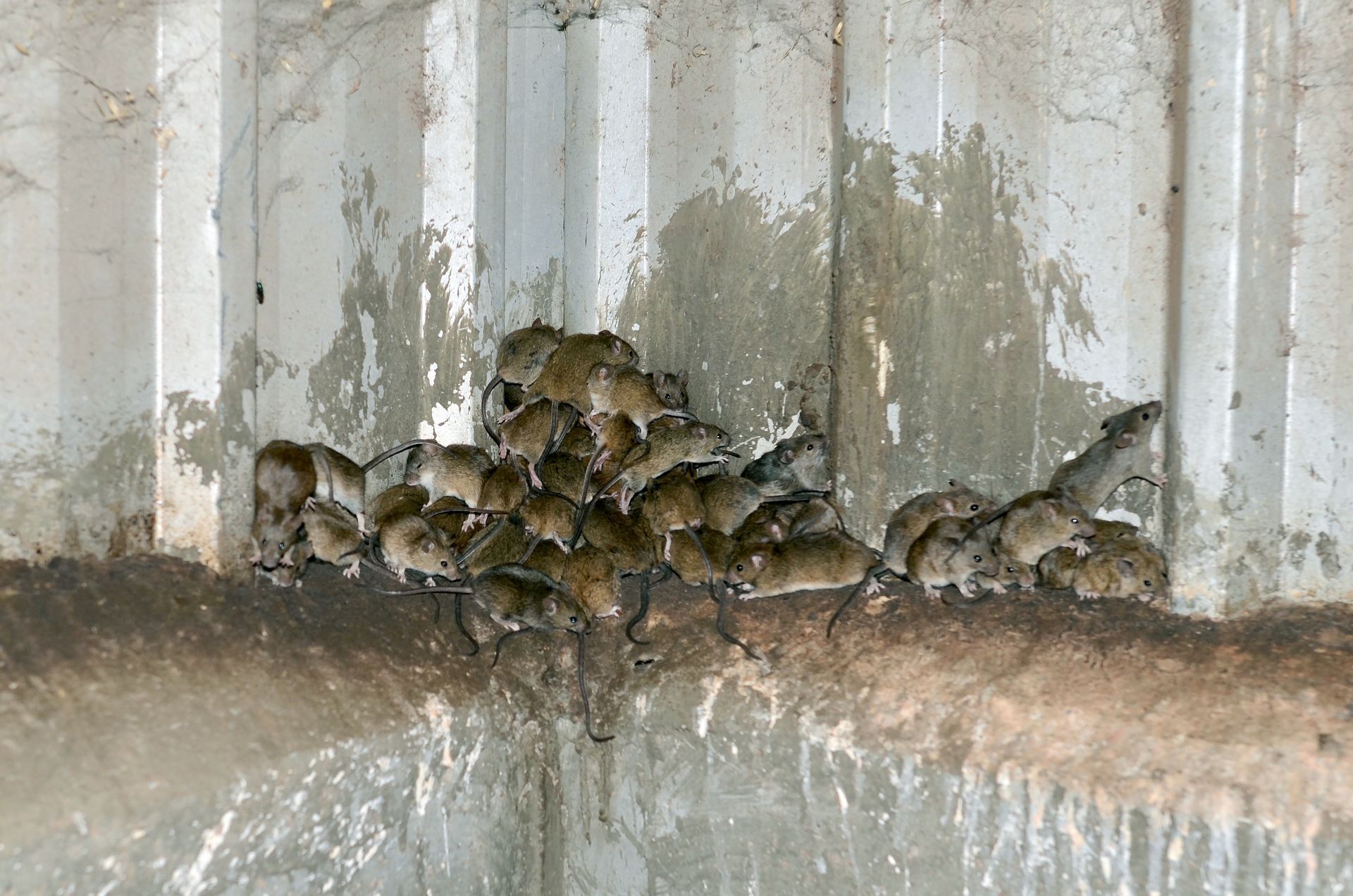
As temperatures fall, rats and mice often seek warmth, food and shelter inside homes.
Roof voids, garages, storage areas and wall cavities can provide suitable nesting locations.
Possible signs include scratching noises, droppings, gnaw marks and unusual pet behaviour.
Other Household Pests
Cockroaches, spiders and ants may also move indoors during cooler weather as they search for food, moisture and sheltered areas around the home.
Good home maintenance, combined with regular general pest treatments, can help reduce the conditions that attract common household pests.
Looking Beyond General Pests
Keeping your annual general pest treatment up to date is one part of protecting your home.
It's also worth considering timber pests.
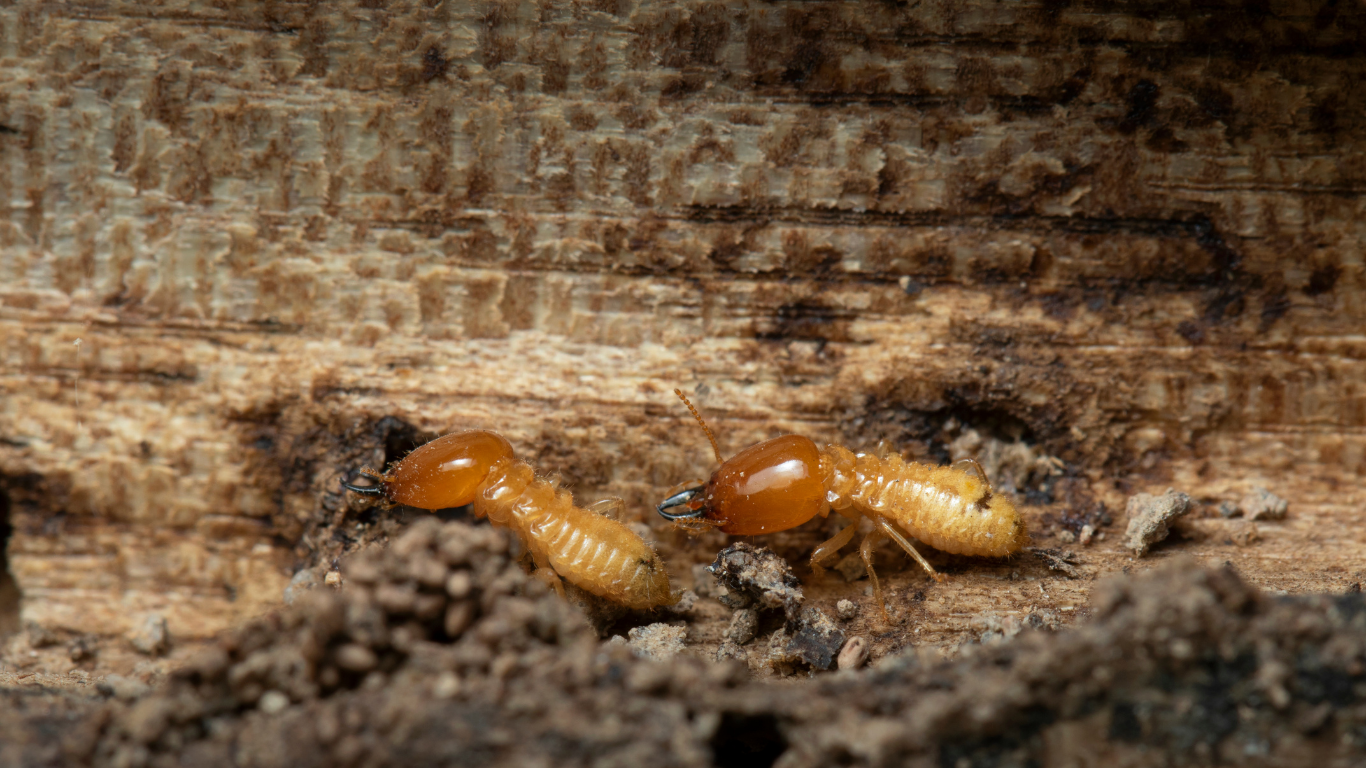
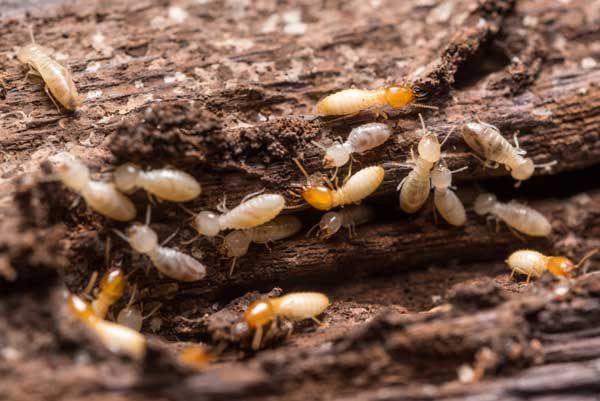
Unlike rodents, spiders or cockroaches, termite activity often remains hidden inside timber or below ground.
Regular timber pest inspections can help identify visible signs of activity and conditions that may increase the risk of attack.
If you're unsure when your property was last inspected, now is a good opportunity to check.

A preventative approach
Looking after your home is easier when maintenance becomes routine.
Regular pest management, combined with simple home maintenance, can help reduce conditions that attract pests while making it easier to identify potential issues early.
A professional visit may identify:
- Signs of pest activity.
- Possible entry points.
- Moisture concerns.
- Timber-to-soil contact.
- Practical steps that may help reduce future pest risk.
Every property is different, so recommendations should always be tailored to your home.
Complete Your Winter Home Protection Checklist
Small maintenance jobs today can help protect your home throughout the year.
Whether your annual general pest treatment is due, or you'd simply like advice about your property's pest protection, our team is here to help.
Call 1300 073 789 or contact our team today to arrange an inspection.
Frequently Asked Questions
Why is winter a good time for a general pest treatment?
The right schedule depends on your property, surrounding environment and previous pest activity. Many homeowners choose to arrange a general pest treatment each year as part of their regular home maintenance.
How often should I have a timber pest inspection?
Regular timber pest inspections are an important part of protecting your property. If you're unsure when your last inspection was completed, our team can help you determine whether your home is due.
Are termites still active during winter?
Yes. Termites remain active throughout the year, although much of their activity occurs out of sight beneath the soil or inside timber structures.
What pests are most common during winter?
Rodents are commonly noticed during winter as they seek food and shelter indoors.
Cockroaches, spiders and termites may also remain active depending on local conditions.
How often should I have a general pest treatment?
The right schedule depends on your home, surrounding environment and previous pest activity. Many homeowners choose to arrange a general pest treatment each year as part of their regular home maintenance.
What happens during a pest inspection?
Your technician will inspect accessible areas of your property, look for signs of pest activity, identify possible entry points and provide practical recommendations tailored to your home.