The 5 Warning Signs of Termites Every Homeowner Should Know

May 18, 2026

Share this article

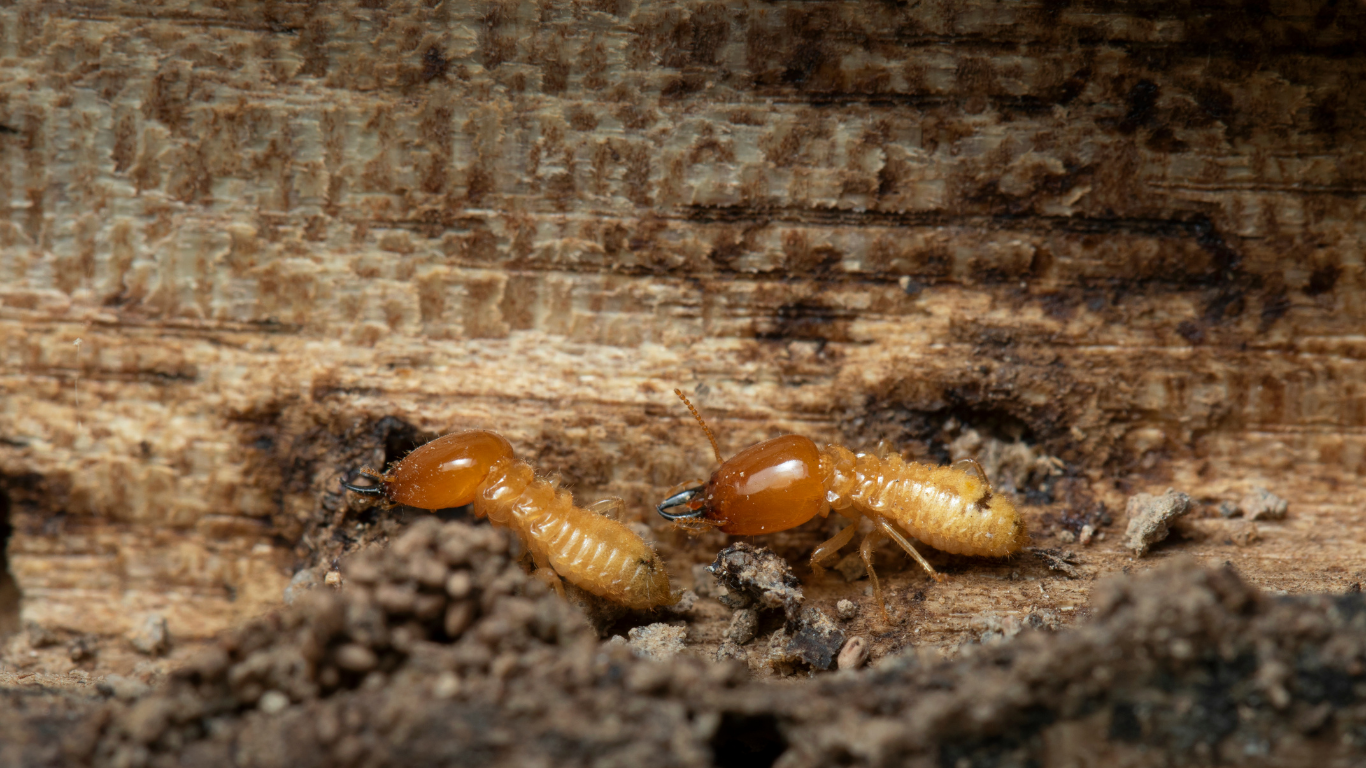
Many homeowners assume termites are only a summer problem — but termite activity can continue year-round, especially as temperatures cool and moisture levels change during autumn. 


Unfortunately, termites often remain hidden until significant damage has already occurred. 


That’s why autumn is one of the most important times to inspect your home before termite activity goes unnoticed through the cooler months. 


Knowing the early warning signs can help protect your home and potentially save thousands in repair costs. 


Why Autumn Is Important for Termite Activity 


As seasons change, termites continue searching for stable temperatures, moisture, and timber food sources. 


During autumn: 


  • Moisture around homes can increase termite attraction
  • Cooling conditions encourage termites to move deeper into protected areas
  • Activity often continues silently underground and inside walls
  • Homeowners are less likely to notice signs during cooler months 


Because termite damage usually happens out of sight, infestations can remain undetected for months or even years without a professional inspection. 


5 Common Warning Signs of Termites 


1. Hollow-Sounding Timber 


Termites consume timber from the inside out, which means damage can often go unnoticed for long periods. 


If skirting boards, door frames, flooring, or timber structures sound hollow when tapped, termites may already be active inside. 


Homes with concealed timber areas are especially vulnerable because visible damage may not appear until the infestation is advanced. 


2. Mud Tubes Around Walls or Foundations 


Subterranean termites build narrow mud tunnels to safely travel between their nest and food source while protecting themselves from open air and light. 


These mud tubes are commonly found near: 


  • Retaining walls 
  • Concrete slabs 
  • Brickwork 
  • Foundations 
  • Fence lines 
  • Subfloors 


If you notice mud trails around your property, it’s important not to disturb them until they can be professionally inspected. 


3. Doors and Windows Suddenly Sticking 


Moisture produced by termite activity can cause timber frames to warp, swell, or shift slightly over time. 


If doors or windows suddenly become difficult to open or close without an obvious reason, it may indicate hidden termite damage within the surrounding timber. 


This is one of the most commonly overlooked warning signs in homes. 


4. Soft, Cracked, or Damaged Timber 


Timber affected by termites may appear: 


  • Soft or weak 
  • Bubbling or uneven 
  • Cracked or blistered 
  • Easily damaged when pressed 


Because termites tunnel beneath the surface, timber can sometimes look normal externally while significant damage exists underneath. 


5. Discarded Wings or Clicking Sounds 


Flying termites (also called swarmers) often leave small discarded wings near windows, doors, or light sources after swarming. 


Some homeowners also report hearing faint clicking or tapping sounds inside walls caused by termite movement or communication. 


Even small signs like these should never be ignored.

IMPORTANT NOTE

Not all termite activity is visible to homeowners, which is why professional inspections remain the safest and most effective way to detect hidden infestations before major damage occurs.


Why Regular Termite Inspections Matter 


Termites cause significant damage to Australian homes every year, and unfortunately, most home insurance policies do not cover termite damage. 


Regular termite inspections are strongly recommended because they help: 


  • Detect termite activity early
  • Identify high-risk areas around the property
  • Prevent costly structural damage 
  • Provide peace of mind for homeowners 


Early detection can make a major difference in reducing repair costs and protecting your property long-term. 


Protect Your Home Before Winter

A black and white icon of a bug in a circle.

Autumn is the ideal time to organise a termite inspection before hidden activity becomes a larger problem.

Call 1300 073 789 for fastest help, or send a message and we’ll get back to you ASAP — usually within the same day.

Frequently Asked Questions

  • Are termites active during autumn?

    Yes. Termites remain active year-round in many parts of Australia and often continue feeding underground and inside homes during cooler months. 


  • How often should I get a termite inspection?

    Annual termite inspections are generally recommended under Australian Standards, particularly for homes in termite-prone areas. 


  • Does home insurance cover termite damage?

    In most cases, standard home insurance policies do not cover termite damage because it is considered preventable maintenance. 


  • What attracts termites to homes?

    Termites are attracted to moisture, timber, soil contact, leaking pipes, poor drainage, and untreated wood around the home. 


  • Can I check for termites myself?

    Homeowners can look for visible warning signs, but termites are often hidden inside walls, flooring, or underground. Professional inspections are the most reliable way to detect activity early. 


Recent Posts

Spring Backyard Pest Control Sydney | Mr Pesty
By Ryan Walker • September 27, 2026
Spring can bring increased pest activity to Sydney backyards. Learn what to look for around gardens, bins, outdoor areas, and your home this spring.
August 25, 2026
From leaking taps and pet food to bins, vegetation and gaps, discover five everyday things that could be attracting pests to your home.
July 14, 2026
Use our Winter Home Maintenance & Pest Protection Checklist to prepare your Sydney home for the cooler months, reduce pest risks and protect your property all year round.
Why Are Rats and Mice Increasing Across Australia?
June 17, 2026
Recent reports have highlighted rising rodent activity across Australia. Learn why rats and mice enter homes during winter and how to identify the warning signs early.
Start the Year Fresh: Eco-Safe Pest Protection for a Healthier Home
January 14, 2026
Enjoy a stress-free, pest-free home! Mr Pesty uses Integrated Pest Management to target pests, prevent infestations, and maintain safety for your family and environment.