Start the Year Fresh: Eco-Safe Pest Protection for a Healthier Home

January 14, 2026

Share this article

Tips for a Pest-Free Home in 2026 

As Australians step into 2026, they're craving simplicity, comfort, and a break from overwhelm (Australian Project, 2025). But while life feels busy enough, summer pest pressure is only increasing with ants, cockroaches, spiders, rodents and termites becoming more active around our homes.


The last thing anyone wants is another hidden job to manage especially one that scuttles, chews, stings, or nests where it doesn’t belong. That’s where Integrated Pest Management (IPM) makes all the difference. 


Why IPM Is the Smarter Way to Manage Pests in 2026 

Integrated Pest Management, or IPM, is a smarter, safer way to reduce pests around your home. Instead of relying on heavy chemicals, IPM focuses on fixing the conditions that attract pests and using low-toxicity treatments only when they are really needed.


Here is how IPM works:


  • Prevention: Simple steps to stop pests getting in. 
  • Monitoring: Checking for early signs so problems are caught before they grow. 
  • Habitat and environment improvement: Reducing moisture and clutter, sealing gaps, and removing things that encourage pests. 
  • Low-toxicity treatment options: Using safe, targeted products only where needed. 
  • Long-term maintenance: Keeping your home protected throughout the year. 

New Year, New You … No More Pests 

Here’s how to get your home pest-ready for 2026: 

 
1. Reduce moisture and water sources
 

Termites, cockroaches, ants and silverfish all depend on moisture to survive. Fix leaking pipes, clear gutters and ensure good subfloor ventilation. When water is available, you create ideal conditions that attract these pests and encourage them to move indoors. 


2. Seal entry points 

Keeping pests out is one of the easiest and most effective ways to prevent infestation. Check for small gaps and openings where pests can slip inside. Install door sweeps, repair damaged flyscreens, and seal gaps around pipes, windows, and walls. Blocking these access points helps stop ants, cockroaches, spiders and rodents before they get in. 


3. Keep your garden tidy 

Plants and garden beds that sit too close to your home can give pests easy access. Trim back vegetation, keep stored timber off the ground and avoid piling mulch against the house. A clear space around the outside of your home makes it harder for termites and other pests to move in. 


4. Improve hygiene and reduce harbourage 

Cockroaches and rodents love tight hiding spots and areas where food scraps build up. Keep your kitchen clean, store food properly and remove clutter where pests can hide. A tidy home makes it much harder for pests to settle in. 


5. Book your annual termite inspection 

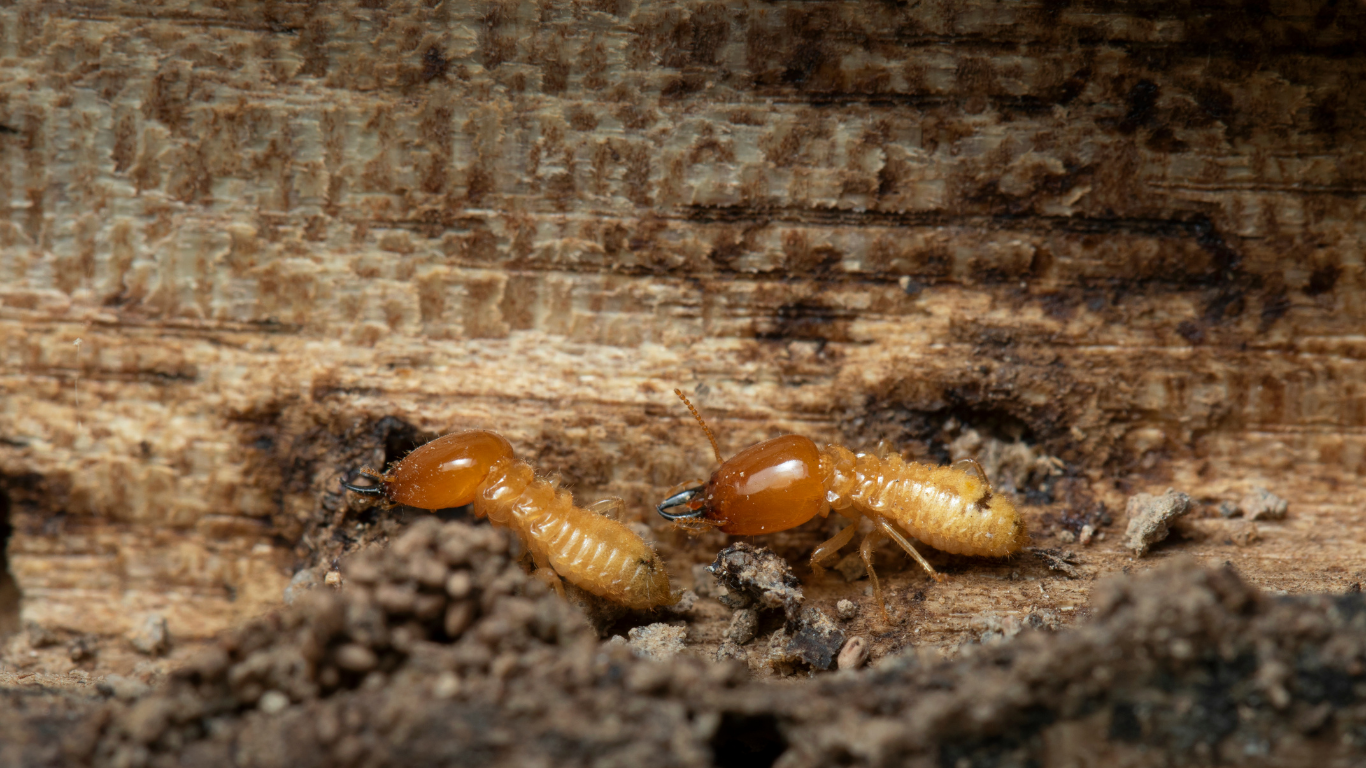
Termites can cause serious damage long before you notice any signs. A yearly inspection is the best way to catch problems early and protect your home. It gives you peace of mind and keeps your property safe from one of Australia’s most destructive pests. 
What You’re Likely to See 

The most common summer pests thrive in warm, humid conditions: 


  • Cockroaches breed rapidly in kitchens and bathrooms. 
  • Ants expand colonies and forage aggressively. 
  • Spiders hunt more actively and move inside for shelter. 
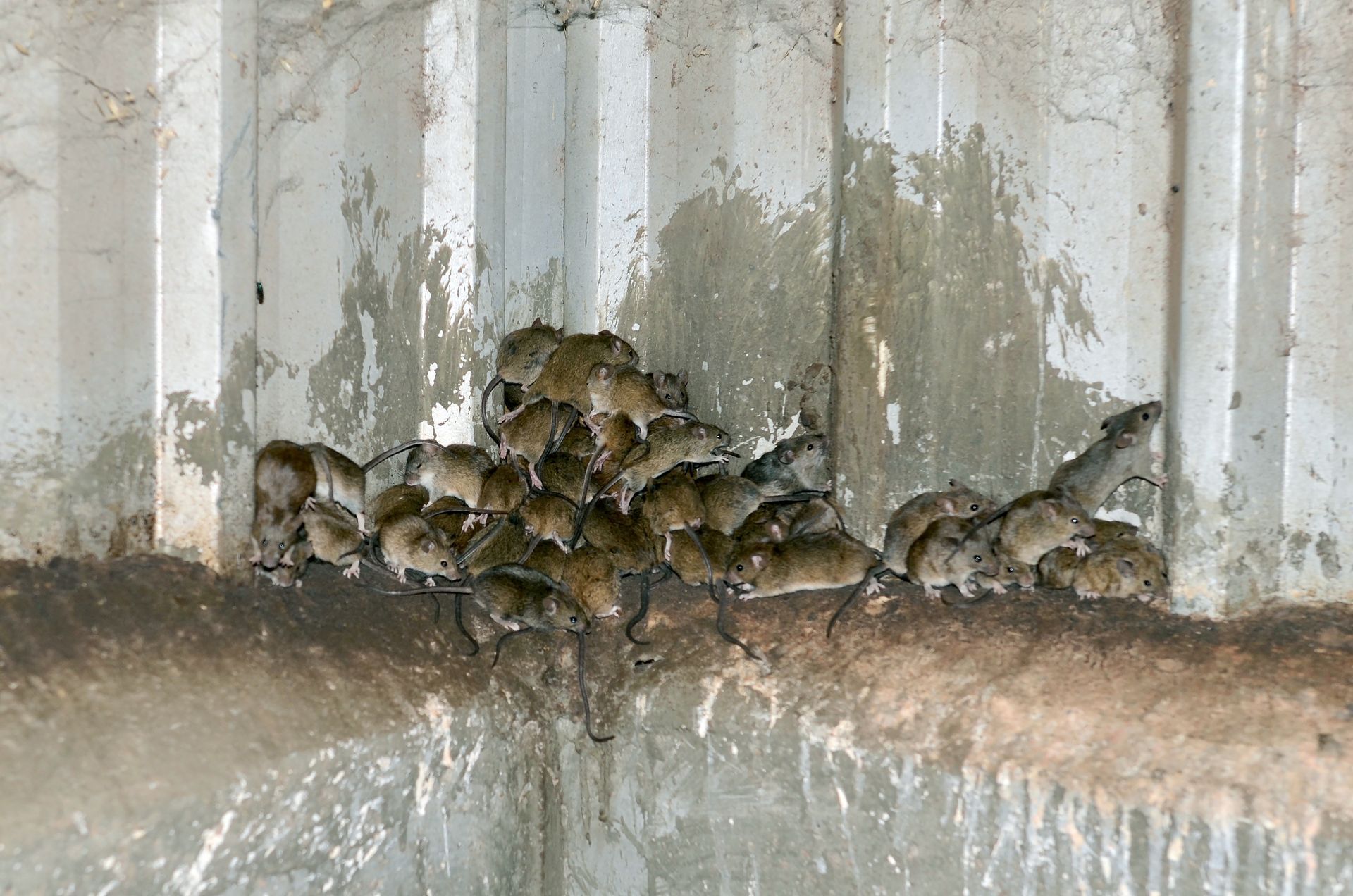
  • Rodents seek water and food sources indoors. 
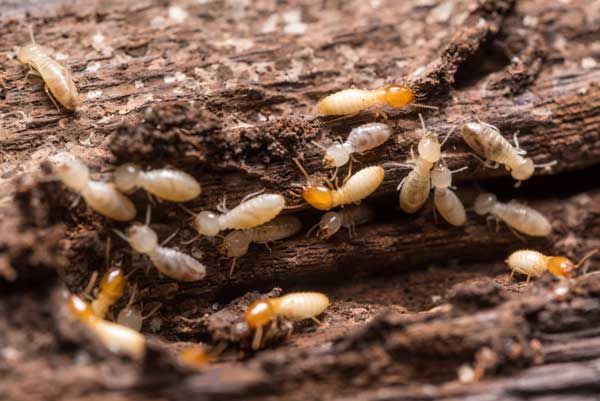
  • Termites increase foraging and exploit moisture-damaged or hidden entry points. 


Our Commitment to Environmentally Responsible Pest Control 

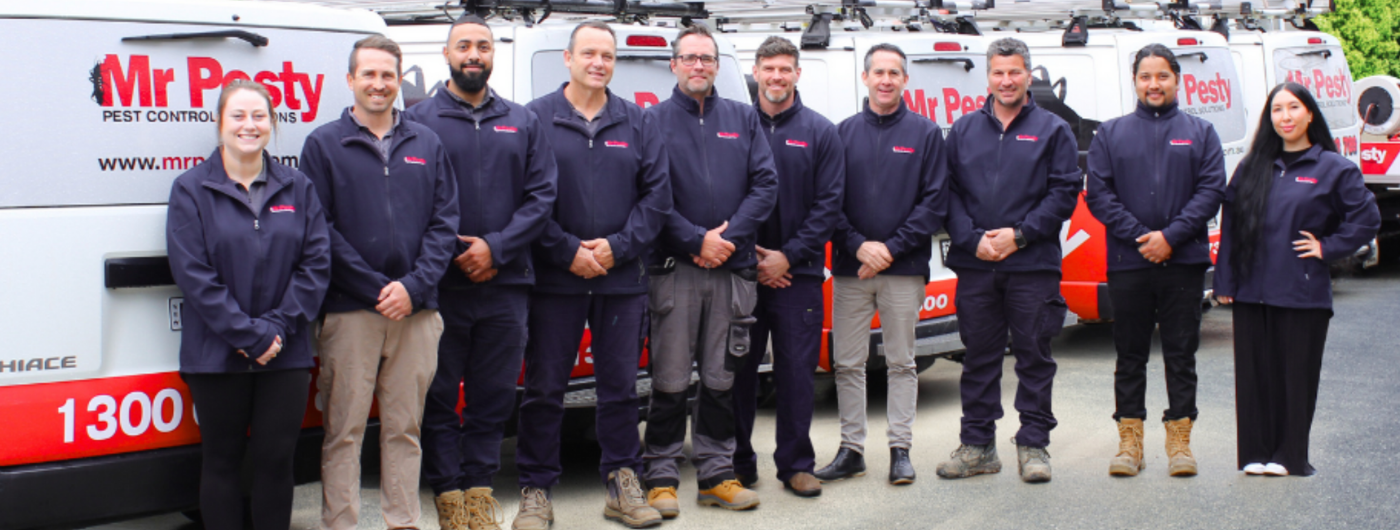
Photo of Mr Pesty team in front of Pest Control trucks.

At Mr Pesty, we’ve built our pest management services around environmental awareness and community responsibility. 


Our Environmental Management: 

  • Is regularly reviewed and improved, 
  • Aligned with the NSW Government Environmental System Guidelines (2009), 
  • Follows the principles of AS/NZS ISO 14001:2004 Environmental Management Systems. 


This ensures that every treatment we perform is carefully considered, safe, effective, and environmentally responsible. 

Recent Posts