Small things can make a big difference when it comes to pest prevention
When we consider what draws unwanted critters to a residence, it’s easy to picture obvious hazards like overflowing rubbish, stray leftovers, or a neglected backyard.
But often, the cause is far simpler.
A leaking tap. Pet meals left out overnight. Firewood stacked beside external walls. A small gap surrounding a pipe.
When Mr Pesty assesses infestation issues across a property, we look beyond the bugs themselves and evaluate the environmental conditions supporting their survival.
Most creatures seek four basic necessities:
Food. Water. Shelter. Access.
Minimising these factors makes your living space far less inviting while rendering unusual signs much easier to identify.
Here are five common areas worth inspecting:
1. Leaking Taps and Excess Moisture
Dampness is one of the primary elements bugs require to thrive, and even a minor, consistent source creates a major attraction. A dripping outdoor spigot, leaking line, damp cupboard, or pooling rainwater provides essential hydration for ants and cockroaches. Wet spaces also offer hidden conditions where insect presence is less likely to be noticed immediately.
What should you check?
Take a look:
- Under kitchen and bathroom sinks
- Surrounding outdoor spigots
- Behind water-connected appliances
- Near drains and run-off areas
- Anywhere rainwater regularly pools
Fixing leaks and improving drainage isn't just good house maintenance; it also removes a key resource target species rely on.
2. Pet Meals Left Out
Your domestic pets might not be the only visitors interested in their dinner. Unsecured kibble offers an easy, reliable nutrition source for ants, cockroaches, and rodents – particularly when bowls sit out overnight or dry product remains in open bags. Even small amounts of spilled kibble scattered near feeding zones can attract unwanted visitors.
What can you do?
Keep pet meals inside well-sealed containers and clean up crumbs near feeding zones. Where practical, avoid leaving uneaten portions sitting outdoors for extended periods, especially overnight. Don't forget the hydration dish. While essential for your domestic animal, keeping the surrounding surface dry and checking for overflows remains worthwhile.
3. Bins and Waste
Clean trash cans stop bugs and rats from approaching your perimeter. Trouble arises when lids fail to close flush, organic residue accumulates on outer surfaces, or rubbish builds up nearby. Outdoor bins prove particularly enticing because they combine meal opportunities with relatively covered locations away from regular household foot traffic.
What should you check?
Make sure:
- Bin lids close completely
- Garbage is contained inside
- Spills are wiped up immediately
- The zone surrounding your bins remains clear
- Receptacles are washed whenever residue accumulates
A spotless trash station isn't necessary. The goal is simply to avoid offering invasive species an effortless, ongoing nourishment source.
4. Vegetation, Timber, and Storage
Take a look at what rests directly against your exterior walls.
- Overgrown foliage, stacked lumber, cardboard boxes, and stored clutter create protected zones where insects and rodents take cover.
- Branches touching walls, windows, gutters, or rooflines provide convenient bridges directly onto the structure itself.
- Stacked lumber and general clutter also hide subtle signs because covered spots aren't regularly disturbed.
A note about termites
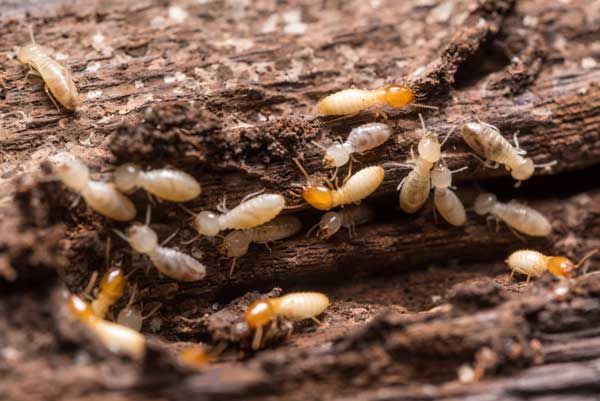
Timber, moisture, and obscured structures that prevent easy inspection dramatically increase termite risk.
Termite colonies can remain concealed for extended periods, meaning these basic checks should never replace a professional timber inspection.
If you’re unsure when your property was last evaluated for termites, Mr Pesty can assess the premises and identify any concerning warning signs.
What can you do?
Where practical:
- Trim branches away from external walls and rooflines
- Avoid stacking firewood against siding
- Keep storage zones organized
- Clear away unnecessary cardboard and clutter
- Check underneath items that haven't moved in a while
Creating space between your structure and potential cover makes spotting unusual signs significantly easier.
5. Gaps and Cracks Around the Perimeter
Invasive species don't necessarily need an open door to gain entry inside. Small openings surrounding windows, doorways, plumbing lines, vents, and architectural seams offer easy entry points.
Because these entry points sit in low-traffic zones, they often remain unnoticed for extended periods.
Try a quick entry-point check. Walk around the exterior and inspect:
- Gaps underneath or surrounding external doors
- Damaged flyscreens
- Cracks and openings surrounding windows
- Vents, utility lines, and pipe entries
- Weathered structural seals
You don't need to seal every microscopic crease you spot. However, if structural gaps or damaged lumber contribute to intruder access, Mr Pesty can advise on practical next steps.
With an in-house qualified carpentry and building team, Mr Pesty assists with structural and timber repairs whenever property damage occurs.
Think Like a Pest: Food, Water, Shelter, and Access
Prevention doesn't require making your residence completely impenetrable.
Instead, focus on the four core elements:
Food. Water. Shelter. Access.
Minimising even one or two of these variables makes your property far less inviting. Regularly reviewing these zones helps you catch subtle warning signs and fix small maintenance needs before larger issues develop.
Importantly, addressing food, water, shelter, or access helps with long-term prevention – but it will not necessarily eliminate an established infestation on its own.
Already seeing signs of pest activity?
If you're regularly seeing ants or cockroaches, hearing rodents, finding droppings or noticing other unusual pest activity, it’s worth finding out what’s happening and why.
The Mr Pesty team can assess your property, identify potential pest conditions and recommend an appropriate treatment and prevention approach.
Depending on the problem, this may include treating the existing pest activity as well as identifying practical steps that can help reduce the likelihood of it returning.
Call 1300 073 789 or contact our team today to arrange an inspection.
Frequently Asked Questions
What pests become more active as spring approaches in Sydney?
Ants, cockroaches, and spiders can become more noticeable as temperatures rise and insect activity increases. The level of activity will vary depending on the property, surrounding environment, and weather conditions.
When should I start preparing my home for spring pests?
Late winter is a good time to start. Checking entry points, moisture, vegetation and storage areas before spring can help reduce the conditions that attract pests.
Does seeing one cockroach mean I have an infestation?
Not necessarily. An occasional sighting doesn’t confirm an infestation, but repeated sightings — particularly of smaller cockroaches — can indicate activity nearby and are worth investigating.
Why am I suddenly seeing more ants around my home?
A. Warmer conditions can increase ant foraging activity as workers search for food and water. Persistent trails may indicate a colony is established nearby.
Should I wait until I see pests before booking a general pest treatment?
Not necessarily. Preventative pest management can help identify and reduce the conditions that encourage pest activity before a larger problem develops.
What happens during a pest inspection?
Your technician will inspect accessible areas of your property, look for signs of pest activity, identify possible entry points and provide practical recommendations tailored to your home.
Recent Posts